Sleep Is for the Algorithm: The All-Night Film Cults Refusing to Press Pause
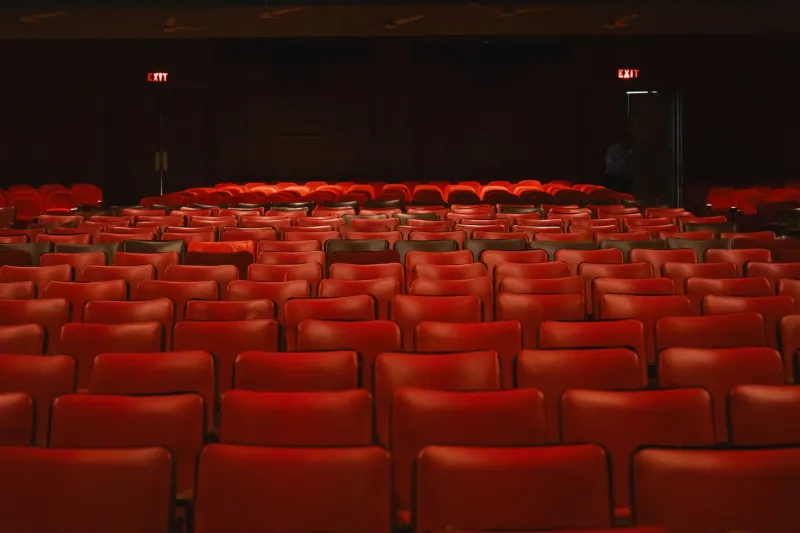
The projector hums to life at 11:47 p.m. in a rented Veterans of Foreign Wars hall on the east side of Columbus, Ohio, and forty-some strangers arrange themselves on folding chairs and sleeping bags like it's the most normal thing in the world. It is not normal. Nobody here will sleep for another nine hours. Nobody here wants to.
The Marathon Isn't Dead. It Went Underground.
The overnight movie marathon used to be a fixture of American film culture — the 24-hour horror fests, the Star Wars rewatch-a-thons, the drive-ins that kept the projector spinning until dawn. Streaming should have killed it. Instead, it did something stranger: it made the marathon rare enough to become sacred.
Organizers like Dana Reyes, who runs a nomadic event series she describes only as "a sleepover with consequences," book converted warehouses, shuttered single-screen theaters, and VFW halls like this one. Attendance caps out around sixty. Tickets run twenty-five to forty dollars. The lineup is secret until you walk in.
"If I told you what you were watching, you'd watch it at home first," Reyes says. "The whole point is that you can't. You're trapped. You're with us. You surrender."
Rituals, Riddles, and the 4 A.M. Wobble
What separates these gatherings from a long Netflix session is architecture. There are themed intermissions — costume judging, trivia gauntlets, a legendary game in Columbus called Chair Judgment where the crowd votes on whose seat is worst. There are rules about talking, rules about phones, rules about when you're allowed to leave the room (you aren't, mostly).
And there's the phenomenon regulars call the wobble: the hour between 3 and 5 a.m. when the collective brain chemistry of the room visibly changes. "That's when it gets honest," says Marcus Bell, a twenty-three-year-old who's attended six marathons. "At 4 a.m. a bad movie is the funniest thing that's ever happened. Everybody's guard is down. You can't fake that at home."
Gen Z makes up the bulk of new attendance, and organizers have theories about why. A generation raised on infinite choice is paying real money for the opposite: no choice, no pause button, no escape. The scarcity is the product.
Racing the Sunrise, and Something Bigger
The scene is small, and organizers know it. Venues are hard to book — many halls want nothing to do with a crowd that won't clear out until breakfast. Licensing for back-to-back screenings eats margins. Reyes estimates there are fewer than thirty recurring overnight marathons in the country worth the name.
But every one ends the same way. The final film rolls credits as gray light leaks through the windows, and a room full of near-strangers — bleary, delirious, weirdly bonded — applauds a screen nobody can quite see anymore.
"People ask why we don't just start at noon," Reyes shrugs. "Because then it's just movies. This is a vigil."