Tiny Big Top, Human Hands: The Flea Circus Revival That Fits in a Matchbox

Photo: vintage flea circus miniature circus ring matchbox macro performance, via i.pinimg.com
The night the matchbox opened
The bar is a narrow room in Philadelphia with a name I am not allowed to print because the owner is worried the health inspector reads Voidfringe. On a folding table, a velvet ring the size of a coaster waits under a desk lamp. Around it: thirty adults holding drinks, trying not to breathe too hard. A person in a tailcoat and mechanic's gloves introduces themselves as Moth, then opens a matchbox with the solemnity of a priest unclasping a relic.
The stars are not fleas tonight. They are slivers of balsa, magnet wire, rabbit fur, and a little brass. Moth calls them 'the company.' One by one, they are coaxed onto a tiny trapeze, a carousel, a high wire strung between two toothpicks. The audience gasps. Nobody can actually see the wire. That is the point.
This is the flea circus in 2026: a stubborn, handmade entertainment form that refuses to die, partly because it is impossible to scale, partly because it is impossible to monetize, and partly because there is still something electrically weird about watching a human hand pretend to be a ringmaster for creatures you cannot verify. The old-school operators are thinning out. The new ones are building mechanical and puppet versions for bars, museums, weird weddings, and corporate events that want to feel like a secret.
A history measured in millimeters
The flea circus peaked in the late 1800s and early 1900s, when traveling shows sold the fantasy that tiny insects could pull carriages, fire cannons, and perform feats of strength. Most of it was stagecraft: fleas harnessed with gold wire, or clever mechanisms, or both. The audience paid for the impossibility and got a lesson in close looking. By the late twentieth century, the form had become a novelty act, then a heritage act, then almost a ghost.
A handful of American operators still work with live fleas, and they are quick to insist the insects are treated well: kept warm, fed, never glued, never harmed. Others have abandoned live performers entirely. The younger builders I spoke with described a mix of ethics, practicality, and aesthetics. Real fleas are fragile, seasonal, and a liability at a wedding. Mechanical fleas are reliable, repeatable, and can be made to do things no insect would tolerate.
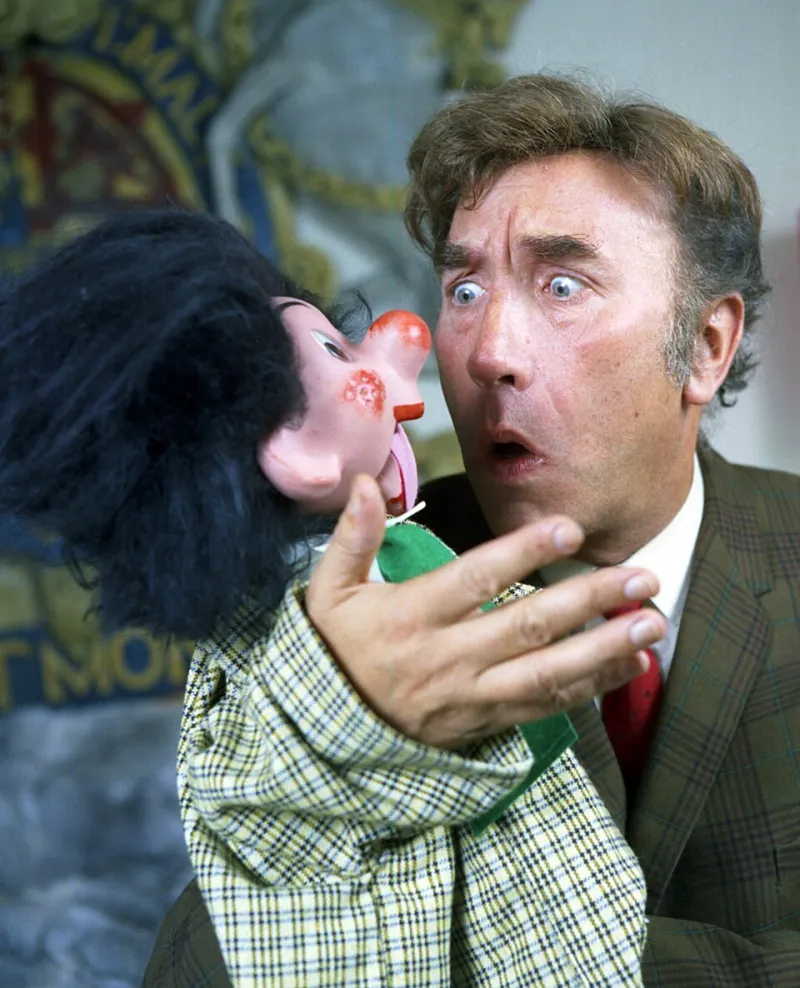
'People want to believe there is a living thing in there,' says one builder who goes by Hattie and sells miniature big tops out of a suitcase. 'But they also do not want to think about the flea's day job. So we give them a beautiful maybe.'
The craft of invisible strings
The best flea circuses are not really about fleas. They are about tension. A good operator can make a room go quiet with a pair of tweezers. They can make a piece of wire feel like a high dive. They can make you lean in until your forehead nearly touches the velvet, and then they can make you laugh at yourself for leaning.
The tricks are ancient and mostly analog: hidden threads, magnets, breath, static, tiny hinges, a steady hand. Moth's show uses a modified music box motor and a set of rare-earth magnets salvaged from old headphones. The trapeze is dental floss. The cannon is a brass thimble. The grand finale involves a flea-sized wedding, a flea-sized cake, and a flea-sized divorce that gets the biggest laugh of the night.
What makes it work is the contract. The audience agrees to pretend. The operator agrees not to insult them by pretending too hard. There is no screen, no projection, no augmented reality. Just a human hand, a tiny stage, and the shared delusion that we are all small enough to be amazed by something smaller.
Why we still gasp
In a culture that has outsourced wonder to screens and theme parks, the flea circus offers something almost radical: a spectacle you have to physically get close to. It cannot be filmed well. It cannot go viral in a satisfying way. It barely photographs. You have to be there, in a room, leaning.
That intimacy is why younger builders are finding audiences in unexpected places. Museums book them for family programming. Bars book them as counterprogramming to DJs. Couples hire them for weddings because they want a story that is not a photo booth. One operator told me they had performed at a divorce party. The couple requested the flea divorce. Everyone cried, then laughed, then drank.
There is also an ethics conversation happening inside the scene, quiet but real. Live-flea operators defend their care practices and point out that the insects are not harmed. Mechanical builders argue that the fantasy does not require a body. Puppet makers split the difference. Nobody I spoke with thought the answer was obvious. What they agreed on was that the show should not be cruel, and that the audience should leave feeling closer to the world, not above it.
The smallest stage is still a stage
After the show, Moth lets people look through a jeweler's loupe at the empty ring. The velvet is worn. The trapeze is slightly bent. The matchbox has a water stain on the lid. It looks like what it is: a tiny, handmade thing that has been carried from bar to bar in a coat pocket.
'They are not fleas,' Moth says, packing the company away. 'They are the idea of fleas. But the gasp is real.'
The audience files out into the Philadelphia night, blinking. Nobody has seen a flea. Everybody has seen a show. That is the oldest trick in the big top, and it still fits in a matchbox.