Bound, Listed, Sold: Following the Trail of America's $5 Haunted Doll Economy
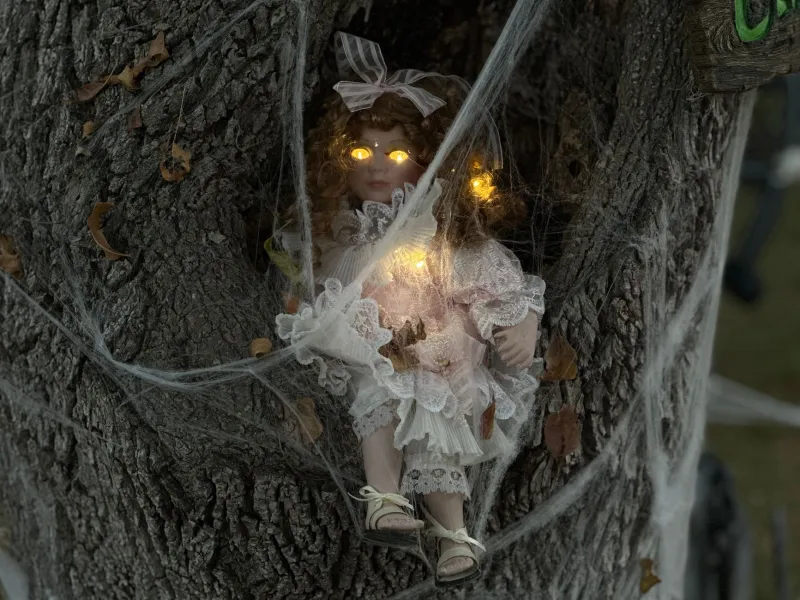
The listing is confident, if light on detail: "Haunted porcelain doll. Active energy. Sold as-is, no refunds on spirits." Price: eight dollars. Pickup only, a suburb outside Tampa. As of this writing, four people have messaged the seller about her.
Scroll any American resale platform long enough and you'll meet them — the bound spirits, the cursed rings, the mirrors that "hold onto things." What looks like a joke is closer to an economy, complete with its own vocabulary, its own celebrity sellers, and a genuine dispute at its heart about what, exactly, is being bought.
The Sellers: Prophet, Grifter, or Performance Artist?
Talk to the people doing the listing and you get three camps, sometimes from the same person in the same conversation.
There are the sincere — practitioners of folk magic traditions who say they're relocating entities the way a shelter rehomes pets. There are the entrepreneurs, who will admit, off the record and occasionally on it, that a "haunted" label on a thrift-store doll can triple the price. And there are the artists, for whom the whole apparatus — the lore, the ritual burnings of certificates, the ominous product photos — is a serialized piece of theater with a checkout button.
"I'm selling a story," one Ohio seller tells me, minutes after insisting the ring she's moving carries a genuine guardian presence. "Both things are true. That's the fun of it."
The Buyers: Faith, Fandom, and the Five-Star Exorcism
Then there's the demand side. Some buyers are collectors of the strange, treating haunted objects like blind-box figurines with better backstories. Others are believers, and they don't appreciate the wink. A Texas woman who's purchased more than thirty spirit vessels describes sellers who "gatekeep the real ones" and complains that the market is flooded with fakes — a sentence that requires an entire cosmology to parse.
And some buyers, the folklorists say, are buying something else entirely: an excuse. A reason to feel a draft, a creak, a coincidence. "People have always paid for enchantment," says one archivist who tracks supernatural commerce. "Etsy just made it shippable."
Old Gods, New Marketplace
Historians will tell you none of this is new. Victorians bought spirit photographs. Americans have trafficked in cursed objects since before there were states to curse them in. What's new is the infrastructure — the algorithmic shelf space, the review systems, the seller who offers a bundle deal on two hauntings.
The doll in Tampa sells in two days. The buyer leaves five stars: "She's very sweet. Slightly more active than expected. Recommend."
Recommend. In the end, that might be the most honest review the supernatural has ever received — a transaction where nobody's sure what changed hands, but everybody, in their own way, got what they came for.